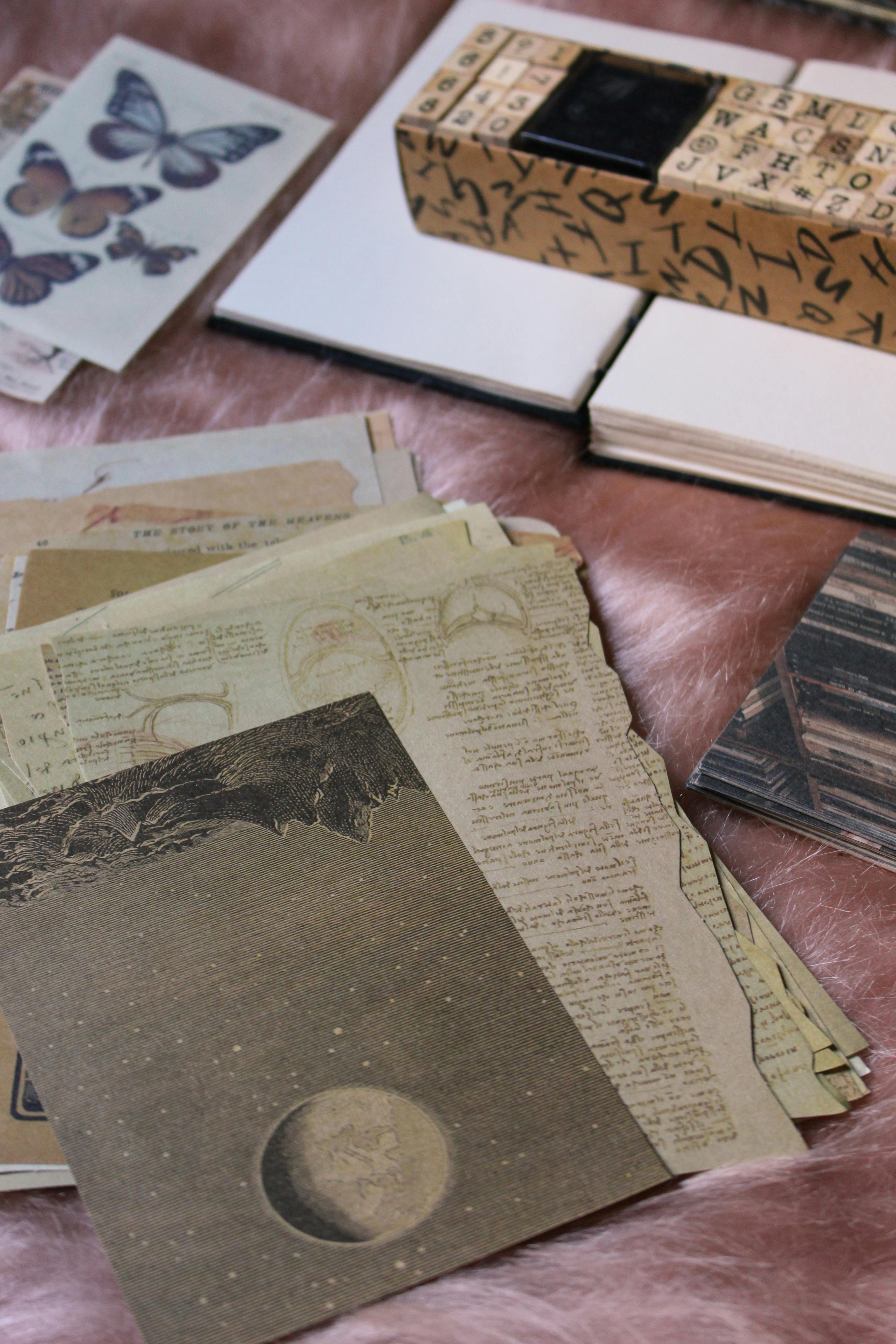
The easiest way to get stuck at the beginning of a scrapbook is to start with supplies instead of a story. You buy papers because the colours are pretty, pull out stickers because they are nearby, and print a batch of photographs without knowing what kind of album they belong in. The result is often a page that looks pleasant enough but does not feel fully anchored to anything.
A strong scrapbook theme fixes that. It gives the album a direction before you decide on layouts, titles, embellishments, or even the size of the book. When the theme is clear, each page becomes easier to plan because you are no longer asking, "What should this scrapbook be?" You are asking, "What belongs in this scrapbook?"
If you want the short answer first, here it is: the best scrapbook themes are chosen by story type, time span, emotional purpose, and keepsakes. A baby album, a heritage project, a school year book, and a travel scrapbook all need different pacing and different page ideas. Start by naming the kind of memory you want the album to protect, then build the visual style around that choice.
What makes a scrapbook theme actually useful
A useful theme does more than give you a colour palette. It helps you decide which photographs belong, what kind of journaling matters, and which keepsakes are worth saving. Themed albums feel stronger because they have boundaries. Those boundaries are not restrictive. They are what stop the scrapbook from becoming a random pile of unrelated pages.
Good themes usually answer three questions:
- What kind of story is this album telling?
- Over what length of time does the story unfold?
- What details will matter most when you look back later?
Once you can answer those, the visual decisions become much easier. Papers, titles, and embellishments are no longer the starting point. They become supporting choices.
Choose by story type first
The cleanest way to choose a scrapbook theme is by identifying the story type. Most albums fall into one of these broad groups:
- Milestone stories: baby, graduation, wedding, first home, anniversary, retirement.
- Time-based stories: one season, one school year, one month of memories, one family holiday.
- Relationship stories: family, friendship, romance, pet companionship, heritage.
- Place-based stories: travel, road trips, Disney visits, hometown memories, family roots.
- Everyday stories: ordinary family life, routines, home, hobbies, and the little moments that would otherwise disappear.
Starting with story type helps you avoid vague albums that never quite begin. "Family" is a theme, but "our Sundays at home" is an easier scrapbook to make. "Travel" is a theme, but "our Scotland road trip in spring" gives you even more direction.
Choose by time span
Time span changes everything about an album. A one-day event can carry a denser, more detailed page style. A year-long story usually needs a calmer structure so the project stays achievable.
Ask yourself which of these fits best:
- One event: birthday, graduation, reunion, wedding shower, Christmas Day.
- One season: autumn walks, summer holidays, a baby's first winter.
- One chapter: pregnancy, first year at school, a renovation, moving house.
- An ongoing relationship: family history, yearly travel, pet memories, a child's growing-up album.
Matching the theme to the time span helps you choose the right format. A single event might be perfect for a dramatic multi-photo page. A longer chapter may suit a smaller monthly structure, a pocket scrapbook, or a mini album with repeated sections.
Theme ideas that naturally fit the site
Family and home themes
Family themes are often the most meaningful because they capture the texture of everyday life. These can include family dinners, yearly traditions, siblings growing up, grandparent stories, or one season at home. The key is choosing a frame that is small enough to hold together.
If your album leans into ancestry, older photographs, or oral history, our family history scrapbook guide is a strong companion. For modern day-to-day memories, a theme like "our ordinary weekends" or "the year at home" often gives you clearer pages than a huge undefined family album.
Baby and childhood themes
Baby themes are naturally rich because they combine milestones, firsts, little keepsakes, and changing stages. You might build a pregnancy album, a newborn scrapbook, a first-year book, or a childhood album organised by seasons or birthdays.
The most useful decision here is whether the album follows time or feeling. A strictly chronological baby album keeps things simple. A themed one can focus on tiny details, family introductions, or growing personality. If you need starting points, visit our guides to pregnancy scrapbook ideas and newborn scrapbook ideas.
Travel and place themes
Travel albums work beautifully because the theme is built in, but they still need narrowing. A whole year of travel can feel impossible. One road trip, one cruise, one favourite city, or one national park adventure is easier to shape into a satisfying book.
You can also theme by place rather than trip. A scrapbook about family roots in one town, repeated visits to the seaside, or annual holidays in the same region often becomes more personal than a generic travel summary. Our travel scrapbooking ideas article is full of page angles that fit this kind of story.
School, milestone, and celebration themes
School years, graduations, birthdays, and anniversaries are classic scrapbook themes because they already come with structure. There is a clear beginning, a central event, and supporting details such as invitations, awards, captions, outfits, or little quotes.
The main choice is whether to make one event album or a longer series. A birthday can be one page. A full school year might deserve an album with repeated sections for first day, favourites, friends, work, and end-of-year reflections. Our school year scrapbook, graduation scrapbook ideas, and birthday scrapbook ideas posts all show how themed storytelling changes the structure.
Seasonal and holiday themes
Seasonal albums feel cohesive because colour, weather, traditions, and repeated rituals all help hold the pages together. You might make a Christmas memory book, an autumn family album, a Halloween keepsake collection, or a month-long December project.
These themes work best when they are tied to specific traditions rather than generic seasonal decoration. The pages feel deeper when they are about baking day, school concerts, bonfire night, or the yearly pumpkin patch rather than simply "winter." For ideas, see our Christmas, autumn, Halloween, and scrapbook advent calendar guides.
Relationship and interest themes
Some of the warmest albums are built around relationships or recurring interests. A love scrapbook, a pet album, a sports season, a gardening journal, or a friendship memory book all fit this lane. They are especially good when the goal is to preserve personality rather than one big event.
Themed relationship albums often benefit from repeated prompts. Favourite sayings, little habits, shared places, and changing routines help the book feel intimate. Our love scrapbook ideas, pet scrapbook ideas, and sports scrapbook ideas guides are useful examples.
"A scrapbook theme does not need to be dramatic. It only needs to give the album a reason to exist as one story instead of many loose pages."
Match the theme to the right album format
Once the theme is chosen, the next question is format. A one-off event may want a larger 12x12 album with room for fuller pages. An ongoing everyday story may be easier to finish in a pocket format or mini album. Theme and format should help each other.
A few easy pairings are:
- milestone celebrations with larger layouts and room for journaling
- seasonal or monthly projects with pocket pages or repeated templates
- heritage themes with calmer papers, labels, and archival care
- travel themes with space for maps, tickets, and small ephemera
If the album still feels hazy, think about what physical items belong inside it. Tickets, school work, baby hospital tags, recipes, letters, or pressed flowers often reveal what the scrapbook wants to become.
How to stop a theme from becoming too broad
The biggest theme mistake is choosing something so broad that it never turns into pages. "Family memories" sounds lovely, but it can include everything from birthdays to old photographs to rainy Saturdays to a summer holiday abroad. That is too much weight for one album unless you already have a strict plan.
Try narrowing broad themes with one extra filter:
- by year: our family in 2026
- by person: stories about Grandma
- by event type: birthday celebrations only
- by place: memories from the cottage
- by mood: quiet everyday home life
The smaller and clearer the theme, the easier it is to choose photos, page titles, and keepsakes. That clarity is what keeps an album moving.
Use visual style to support the theme, not replace it
After the theme is clear, you can start thinking about visual style. This is where papers, colour, lettering, and embellishments come in. The visual layer should echo the story instead of trying to invent one.
For example:
- heritage themes often suit softer neutrals, handwriting, and older textures
- birthday themes can carry brighter colour and a more playful title style
- travel albums often benefit from labels, maps, and repeated location markers
- baby albums usually feel strongest with gentler pacing and room for detail
If you need help with the visual side after choosing the theme, our guides to choosing scrapbook paper, colour theory for scrapbooking, and scrapbook fonts and lettering can help you carry the story consistently.
A simple decision framework when you are stuck
- Name the memory type: event, season, relationship, place, or chapter.
- Choose the time span: one day, one month, one year, or ongoing.
- List the keepsakes or details you most want to include.
- Pick a format that makes those details realistic to preserve.
- Only then choose papers, colours, and layout ideas.
That order keeps theme selection practical instead of decorative. It also makes it much easier to finish the album once you begin.