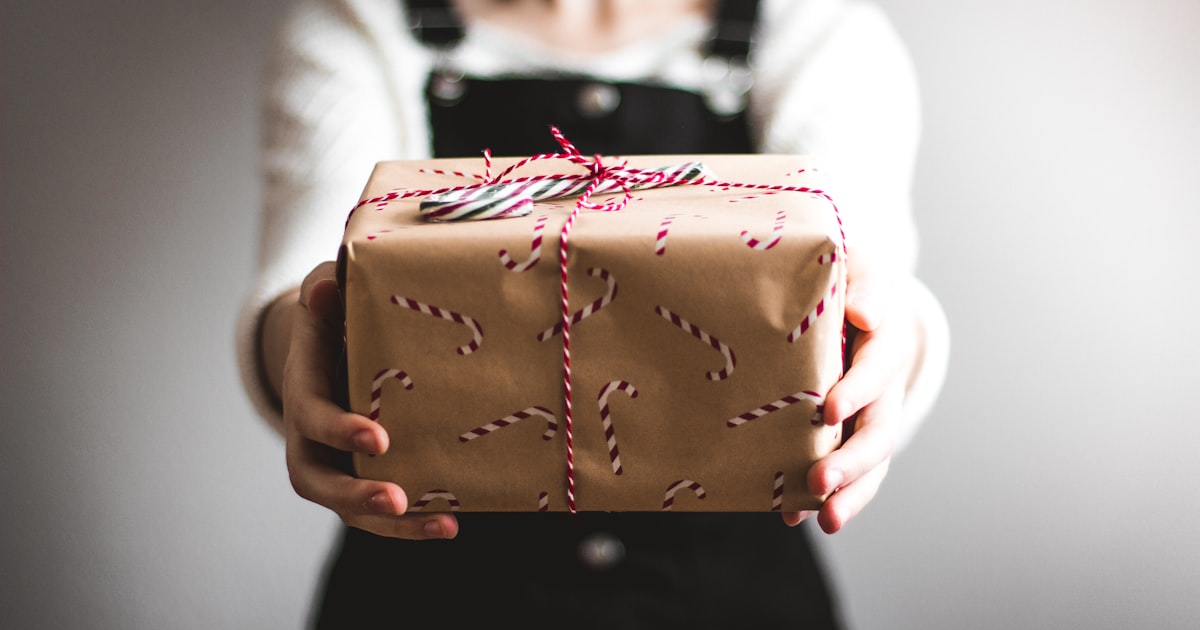
A scrapbook in a box appeals to people for a very simple reason: it feels like a gift before it is even opened. There is a pause, then an unfolding, then another discovery inside the first one. Whether you make a lidded keepsake box filled with scrapbook pages, a layered explosion box that opens flat, or a memory box holding a mini album and loose treasures together, the format turns scrapbooking into an experience rather than just an object.
This is why the idea shows up so often around birthdays, anniversaries, weddings, long-distance gifts, and milestone celebrations. A standard album asks someone to sit down and turn pages. A scrapbook in a box invites them to uncover something. That extra theatrical element can make a relatively small project feel unexpectedly special.
The best versions are not overcomplicated. They balance surprise with clarity, decoration with durability, and sentiment with enough structure that the box can actually be opened again after the first reveal. Here is how to make one that works.
What "scrapbook in a box" can mean
The search term covers a few different project styles, and it helps to choose your version early.
- Explosion box scrapbook: A box with attached side panels that fold down when the lid is removed, revealing photographs, messages, and layered decorations.
- Memory box with mini album: A keepsake box that holds a small bound scrapbook plus extra letters, tickets, tags, or souvenirs.
- Gift box scrapbook: A decorated box where each compartment or layer holds one part of the story.
- Scrapbook kit in a box: A curated supply bundle designed so someone else can make the album themselves.
This article focuses mainly on the first three, because they satisfy the strongest gift and memory-keeping intent behind the phrase while still leaving room for DIY personalisation.
Choose the right format for your story
An explosion box is great for short, high-impact storytelling. It works best with a small number of photos, short notes, and a central feature such as a pop-up heart, folded mini envelope set, or tiny gift. A memory box with a mini album works better when you have more photographs or want the recipient to spend longer with the project. A compartment-style gift box is ideal when the story naturally splits into sections such as "how we met", "favourite memories", "reasons I love you", and "plans ahead".
If the occasion involves delicate or irreplaceable keepsakes, a box with removable contents is usually the safest choice. If the main goal is visual surprise, choose the unfolding version.
Materials that make the project feel sturdy instead of flimsy
Because the entire concept depends on opening and handling, strength matters. Use heavyweight cardstock for the structure, patterned papers mainly as decorative layers, and reliable adhesive that can handle tension at the folds. Score lines carefully and reinforce stress points on the base and lid with an extra paper layer if needed.
- Base structure: 250 to 300 GSM cardstock or lightweight chipboard for larger boxes.
- Decorative layers: Coordinated patterned paper, vellum, journaling cards, and labels.
- Closure details: Ribbon wraps, belly bands, or magnetic dots if the lid needs extra security.
- Interactive pieces: Mini envelopes, accordion folds, pull tabs, photo flips, and hidden notes.
If you are building for posting or long-distance gifting, skip bulky flowers and fragile dimensional embellishments unless the box has significant clearance inside.
Good scrapbook-in-a-box themes
Some stories suit this format especially well because the box itself feels symbolic: something full of contained memories waiting to be opened.
- Anniversary gifts: Photos, date-night tickets, tiny notes, and favourite shared sayings.
- Wedding or engagement gifts: Proposal pictures, invitation pieces, and small honeymoon promises.
- Birthday memory boxes: One layer per year, decade, or friendship chapter.
- Long-distance relationships: Maps, letters, screenshots of messages, and plans for future visits.
- New baby or family milestone boxes: First photographs, hospital bands, and journaling cards stored together more safely than in a loose drawer.
"A scrapbook in a box works because opening it feels like entering the story rather than simply looking at a record of it."
How to plan the inside so it opens well
The temptation is to fill every panel, pocket, and flap. Resist that. Good box projects need negative space and movement. Decide where the eye should land first when the lid comes off. Usually that is the centre feature. From there, each side panel should offer one clear thing: a photo group, a note, a small pocket, or a layered embellishment cluster.
Use one repeated element across all sides to unify the project. That could be the same photo size, the same label style, the same colour border, or one recurring motif such as stars, florals, maps, or stitched frames. Repetition is what stops the box from feeling like four unrelated mini pages glued together.
What to put inside besides photos
The format becomes much stronger when it contains more than prints. Small flat keepsakes make the box feel intimate and specific.
- Tickets, receipts, or postcards from shared outings
- Short handwritten letters or folded notes
- Mini tags with prompts like "Open when you need cheering up"
- Journal cards listing favourite memories, songs, or places
- Polaroid-style prints with one-line captions
- A tiny bound booklet tucked into the centre or lid
If you are making the project as a gift, think about discovery sequence. The lid interior, centre feature, and side pockets can each reveal a different emotional note: funny first, sentimental second, practical third, or the reverse depending on the recipient.
DIY vs ready-made scrapbook kits in a box
Some makers want the structural challenge of building the box from scratch. Others really want the curated gift concept and would prefer to begin with a premade box base or a coordinated scrapbook kit. Both approaches are valid. A DIY build gives you total control over dimensions and theme. A premade base saves time and reduces the chance of a lid that does not fit or sides that buckle under decoration.
If you are assembling a scrapbook kit in a box for someone else, think like a helpful editor. Include only what supports one clear finished project: paper choices that coordinate, a title option, simple embellishments, adhesive suggestions, and a layout sketch or note. More supplies do not necessarily make a better gift.
Common mistakes to avoid
- Too much bulk: Thick embellishments stop the box closing neatly and make it fragile in transit.
- Weak base materials: Thin cardstock looks fine at first and collapses after a few openings.
- No editing: When every panel has the same visual weight, the recipient does not know where to look.
- Overly complicated mechanisms: If a pull tab or fold-out needs instructions, simplify it.
- Forgetting storage: A lid that barely fits on the day you finish will not improve later.
When a scrapbook in a box is better than a traditional album
Choose this format when the project is gift-led, when the material is limited but emotionally strong, or when the reveal matters as much as the archive. Choose a traditional album when the story is long, the photo count is high, or you want room for future expansion. There is no rule that says you must pick only one, either. A memory box can hold a mini album now and leave space for later additions.